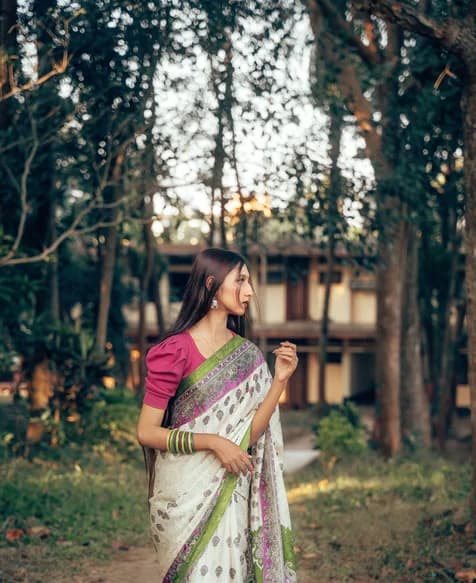
Handspun cotton & muslin
Grown and spun in Bangladesh, our cotton skips the energy-hungry mill. The muslin revival we sponsor uses heirloom phuti karpas cotton and no chemical sizing at all.

Our Commitment
Sustainability is not a season for Alisha Noor — it is the only way handloom has ever survived. Slow cloth, natural colour and a living wage for every hand that touches it.
Why it matters
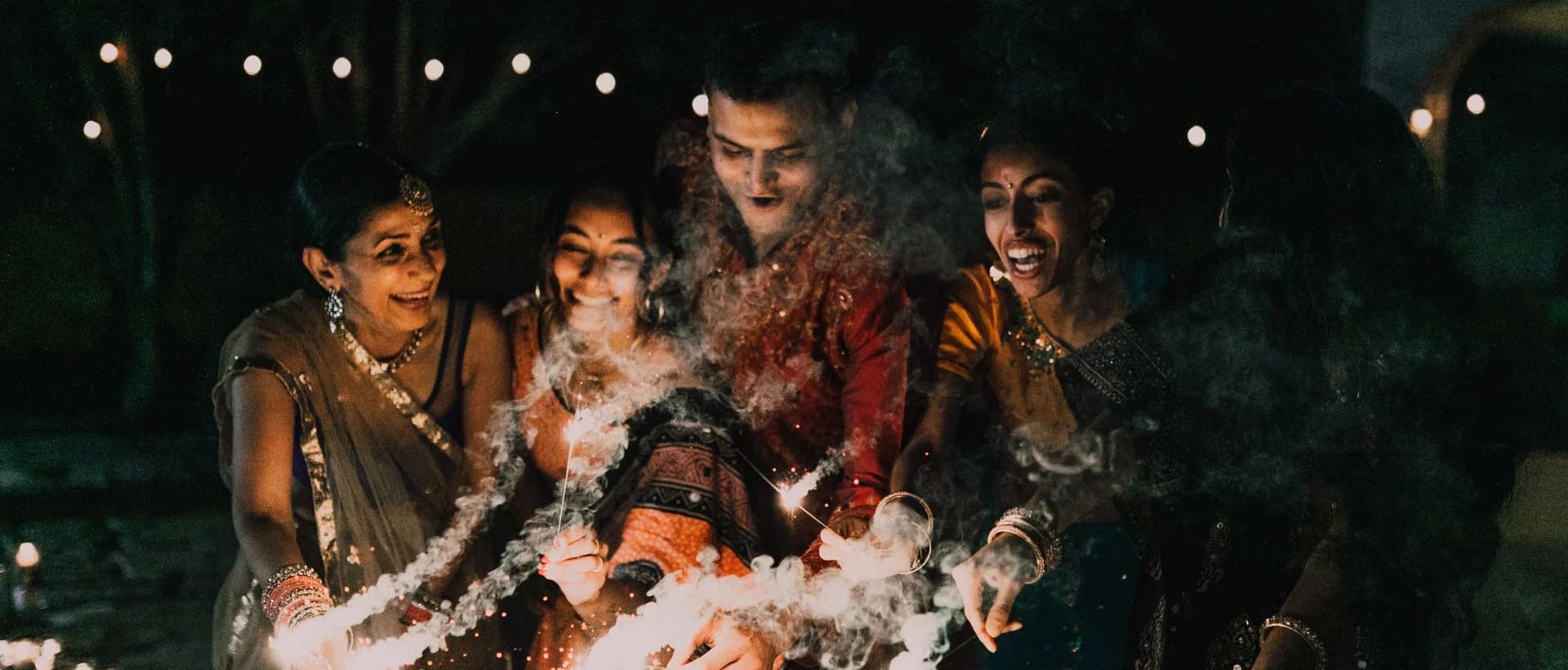
Long before “sustainable fashion” had a name, the villages of Bengal were already living it — spinning cotton by hand, dyeing with roots and indigo, and passing a single loom down four generations. Waste was unthinkable when every thread was earned.
Fast fashion broke that rhythm. We are trying to mend it. At Alisha Noor we measure a garment not by how cheaply it can be made, but by how many families it keeps whole and how lightly it leaves the earth it came from.
We are not perfect, and we will not pretend to be. What follows is what we do today, and the honest commitments we are holding ourselves to next.
90%
Natural fibres
2,400+
Makers on living wages
0
Azo / synthetic dyes
100%
Plastic-free packaging
How we work
The most sustainable thing we do is keep a loom running. Every artisan partner earns a living wage paid on time, so weaving stays a future their children can choose — not a poverty their children flee.
We build our collections from handspun cotton, muslin and silk, coloured the slow way with indigo, lac, turmeric and myrobalan. No azo dyes, no synthetic finishes — only what the land already gives.
Handwoven cloth cannot be rushed, and we do not try. We weave in small runs to real demand, so we make less, waste less and never burn or bury unsold stock.
Kantha itself is upcycling — layered, salvaged cloth reborn as something finer. We mend what we can, gather our offcuts for patchwork lines, and take worn Alisha Noor pieces back for repair rather than landfill.
What goes in
Grown and spun in Bangladesh, our cotton skips the energy-hungry mill. The muslin revival we sponsor uses heirloom phuti karpas cotton and no chemical sizing at all.
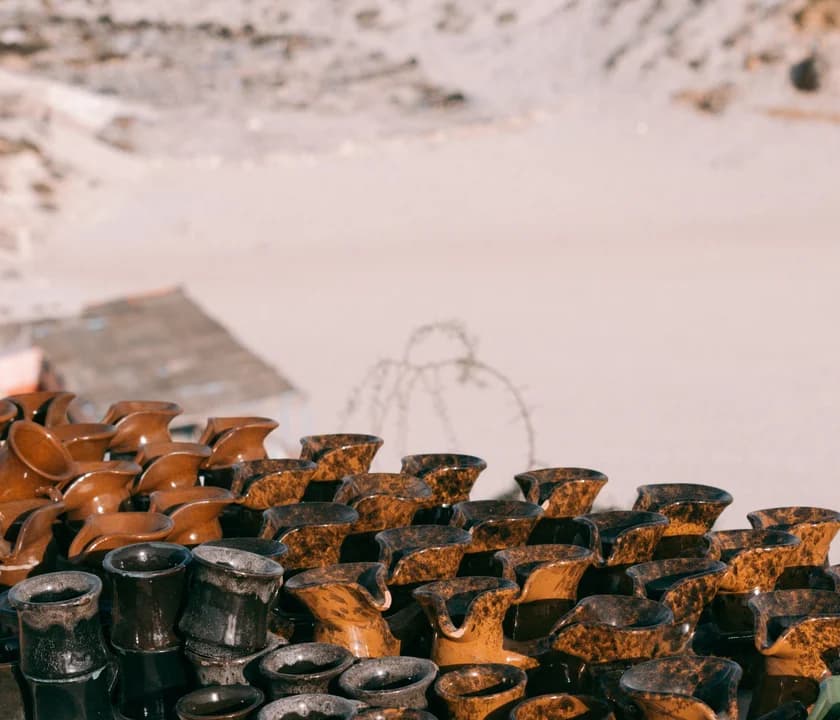
Our dye houses colour with indigo vats, lac insects, turmeric root and iron mud. Spent dye water is settled and filtered before it ever returns to the soil.
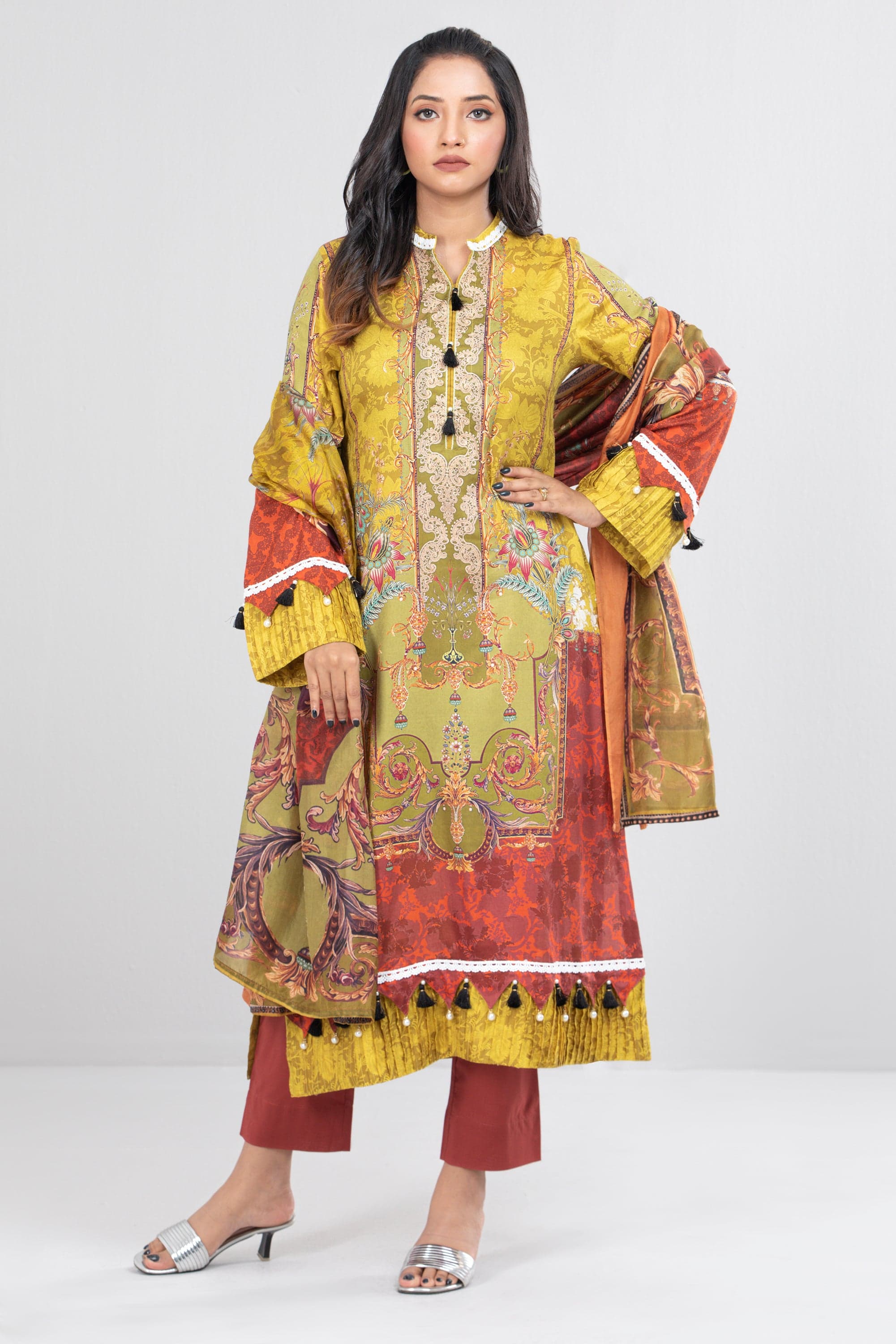
Your order arrives wrapped in unbleached muslin and recycled kraft, tied with jute — no poly bags, no bubble wrap, nothing that outlives the garment inside.
The road ahead
2026
Map every dye batch to its source and publish a plain-language impact note on each craft page.
2027
Independently audit artisan earnings across all 38 partner villages, not just our own workshops.
2028
Repair-and-return counters in every flagship, so a worn sari becomes a mended one — or a kantha throw.
2030
Solar-power our finishing units and offset the rest through Bengal delta reforestation.
“A cloth that lasts a lifetime is the greenest thing we can make. Everything else follows from that.”
The Alisha Noor sustainability pledge
Every piece you choose keeps a loom running, a dye vat simmering and a craft alive for the next generation. Meet the makers, or shop the cloth they weave.